

Transform your smile with dental veneers
- Home
- |
- Treatments
- |
- Cosmetic Dentistry
- |
- Veneers

We’d love to hear from you! If you have any questions or would like to arrange a visit, please get in touch.
Your options
There are two main types of veneer material — porcelain and composite resin. Each has distinct characteristics and your dentist will explain which may be more appropriate for you.
Custom-made in a dental laboratory and bonded permanently to the prepared tooth surface. Porcelain has a translucency that closely resembles natural enamel and is generally more resistant to staining than composite resin. Requires removal of a thin layer of enamel — this is permanent and irreversible.


Applied directly to the tooth in a single visit using the same tooth-coloured resin used in composite bonding. Generally less durable than porcelain and more susceptible to staining over time, but more conservative and easier to repair.

Suitability
Teeth that are deeply stained or discoloured — particularly where whitening has not achieved a satisfactory result.
Restoring the appearance of teeth that are chipped, fractured at the edge, or worn down — provided the underlying tooth structure is sound.
Teeth that are unusually small, pointed, or irregular in shape may be improved cosmetically with veneers.
Small spaces between front teeth can sometimes be addressed with veneers, depending on the size of the gap.
Where teeth appear slightly uneven but orthodontic treatment such as Invisalign is not desired, veneers may offer an aesthetic improvement.
Patients who feel their smile looks uneven may find that veneers help create a more balanced overall appearance.
Veneers may not be suitable where there is active decay, untreated gum disease, insufficient enamel, severe bruxism, or where the tooth would be better restored with a crown.
The treatment journey
Comparing your options
Getting your dream smile is easier than you think.
Your smile is our priority. Trusted family dental care using the latest techniques.

Patient
I recently visited Castle Bromwich Dental Care, and the experience was exceptional. From the moment I walked in, the staff at the front desk made...
Patient
My husband and I have been going to Dr Z. Alam for more than 5 years now, and we couldn’t be happier with the care...
Patient
I am a new patient at Castle Bromwich Dental Care. I have been seen by Dr Ella Bettinson for 4 appointments, and at each appointment...
Patient
The receptionist was polite and welcoming. The Dentist and his assistant were friendly and made me feel at ease. The Dentist thoroughly explained to me...
Patient
Dr Zulfikar is an outstanding Dr. I’m a nervous patient, but he has always been kind and considerate of my needs. If I feel any...
Patient
I recently visited Castle Bromwich Dental Care, and the experience was exceptional. From the moment I walked in, the staff at the front desk made...
Patient
My husband and I have been going to Dr Z. Alam for more than 5 years now, and we couldn’t be happier with the care...
Patient
I am a new patient at Castle Bromwich Dental Care. I have been seen by Dr Ella Bettinson for 4 appointments, and at each appointment...
Patient
The receptionist was polite and welcoming. The Dentist and his assistant were friendly and made me feel at ease. The Dentist thoroughly explained to me...
Patient
Dr Zulfikar is an outstanding Dr. I’m a nervous patient, but he has always been kind and considerate of my needs. If I feel any...
See real patient transformations and discover what’s possible for your own smile.
View smile gallery
Before

After

Before

After

Before

After

Before

After

Before

After
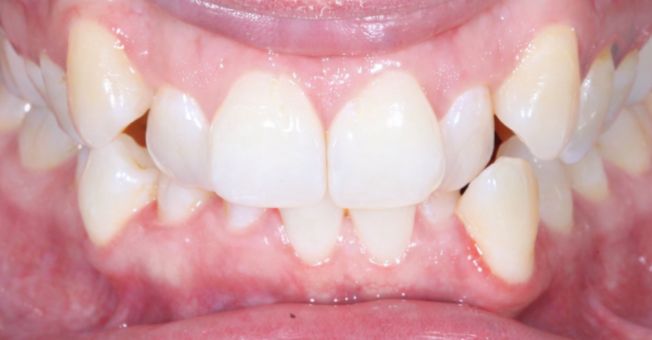
Before
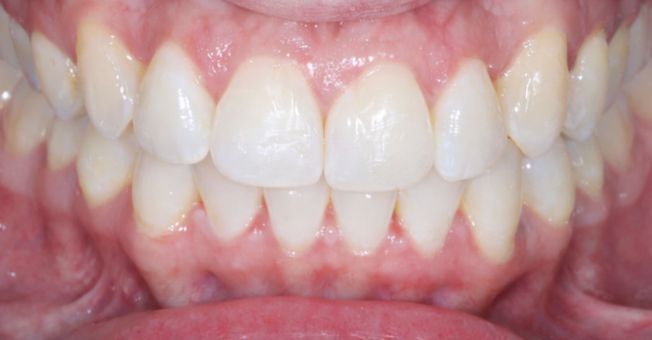
After
Veneers will need to be replaced at some point. However, the tooth preparation involved in placing porcelain veneers — the removal of enamel — is permanent and irreversible. Once prepared, a tooth will always need a restoration of some kind.
The preparation appointment for porcelain veneers is carried out under local anaesthetic, so you should not feel pain during the procedure. Some sensitivity in the prepared teeth while wearing temporary veneers usually settles once the permanent ones are fitted.
With good care and regular check-ups, porcelain veneers can last ten years or more in many patients. Composite veneers generally last three to seven years. Longevity depends on bite, habits, oral hygiene and diet.
No. Porcelain and composite veneers do not respond to tooth whitening. If you are considering whitening, this should always be completed before veneers are made so the shade can be matched to your new tooth colour.
In many cases, yes. Depending on your concerns, teeth whitening, composite bonding, or orthodontic treatment such as Invisalign may achieve a satisfactory result with less or no permanent alteration to your teeth.
We’d love to hear from you! If you have any questions or would like to arrange a visit, please get in touch.
Let’s take the first step toward a healthier smile, together. Book a consultation with our friendly, professional team. We’re here to help you smile with confidence.
Back to Cosmetic Dentistry Book online


Follow us on social media for smile tips, behind-the-scenes moments, and patient transformations. Stay connected and be inspired every day.
Stay connected


