

A brighter smile, safely and professionally
- Home
- |
- Treatments
- |
- Cosmetic Dentistry
- |
- Teeth Whitening

We’d love to hear from you! If you have any questions or would like to arrange a visit, please get in touch.
Your whitening options
We offer two main approaches to professional teeth whitening, which can be used individually or in combination depending on your teeth, timeline, and desired outcome. Your dentist will discuss which option is most appropriate for you.
Custom-fitted whitening trays are made from impressions of your teeth at the practice. You wear these at home with a prescribed whitening gel for a set period each day or overnight, typically over two to four weeks. Trays fit precisely to minimise gel contact with gums, treatment pace can be adjusted to your sensitivity, and trays can be kept for future top-ups.


A higher-concentration whitening gel is applied directly to the teeth in the practice under the supervision of your dentist. Typically completed in a single appointment of around one to two hours, with gum tissue carefully protected throughout. Often combined with home whitening for optimal results.

The degree of lightening achieved varies between patients. Results cannot be guaranteed and depend on the original shade and type of staining present. Tooth sensitivity following treatment is common and usually temporary.
Professional whitening can produce noticeable results for many patients with naturally discoloured teeth. However, whitening does not work on dental restorations such as crowns, veneers, bridges, or tooth-coloured fillings — these will remain their original shade.
Results vary significantly between individuals and are not permanent. We will discuss what may be achievable for you before you commit to treatment.
Suitability
Professional whitening is suitable for many adults, but it is not appropriate for everyone. A clinical assessment is always required before treatment can be recommended.
No active decay or gum disease. Any issues are treated first.
Yellowing due to food, drink, or ageing typically responds well.
Tea, coffee, red wine, or tobacco staining can often be lightened.
An honest understanding of the degree of change achievable for you.
Whitening is not recommended during pregnancy or whilst breastfeeding.
Professional whitening is only appropriate for patients aged 18 and over.
Whitening may have limited effect on tetracycline staining or fluorosis, and existing crowns, veneers, or fillings on front teeth may become more visibly mismatched. If treatment is not appropriate, we may discuss alternatives such as porcelain veneers or composite bonding.
The treatment journey
From your first appointment to the end of your treatment, we will keep you fully informed at every stage. Your specific plan will depend on which option is most suitable for you.
Maintaining your results
Whitening results are not permanent. How long they last depends on your diet, lifestyle habits, and oral hygiene routine.
For 48 hours after whitening, avoid staining foods and drinks — tea, coffee, red wine, berries, tomato-based sauces, and dark sodas. Enamel is more porous immediately after treatment.
Brush twice daily with a fluoride toothpaste and floss regularly. A clean tooth surface is more resistant to staining.
Use a straw for cold drinks where possible and rinse with water after staining foods or drinks to slow restaining.
Tobacco rapidly reverses whitening results. Stopping smoking will help maintain your outcome and benefit your overall health.
Regular examinations and professional hygiene appointments help remove surface staining before it becomes embedded.
If you retained your custom trays, periodic top-ups using prescribed gel from our practice can help maintain your results over time.
Tooth sensitivity is a common side effect of professional whitening and is usually temporary, resolving within a few days of completing treatment. Using a sensitivity toothpaste before and during treatment may help. If sensitivity is severe or persistent, stop treatment and contact us for advice.
Comparing your options
Teeth whitening is effective for many types of discolouration but has limitations. We will always be transparent about what is and is not achievable for you.
Getting your dream smile is easier than you think.
Your smile is our priority. Trusted family dental care using the latest techniques.

Patient
I recently visited Castle Bromwich Dental Care, and the experience was exceptional. From the moment I walked in, the staff at the front desk made...
Patient
My husband and I have been going to Dr Z. Alam for more than 5 years now, and we couldn’t be happier with the care...
Patient
I am a new patient at Castle Bromwich Dental Care. I have been seen by Dr Ella Bettinson for 4 appointments, and at each appointment...
Patient
The receptionist was polite and welcoming. The Dentist and his assistant were friendly and made me feel at ease. The Dentist thoroughly explained to me...
Patient
Dr Zulfikar is an outstanding Dr. I’m a nervous patient, but he has always been kind and considerate of my needs. If I feel any...
Patient
I recently visited Castle Bromwich Dental Care, and the experience was exceptional. From the moment I walked in, the staff at the front desk made...
Patient
My husband and I have been going to Dr Z. Alam for more than 5 years now, and we couldn’t be happier with the care...
Patient
I am a new patient at Castle Bromwich Dental Care. I have been seen by Dr Ella Bettinson for 4 appointments, and at each appointment...
Patient
The receptionist was polite and welcoming. The Dentist and his assistant were friendly and made me feel at ease. The Dentist thoroughly explained to me...
Patient
Dr Zulfikar is an outstanding Dr. I’m a nervous patient, but he has always been kind and considerate of my needs. If I feel any...
See real patient transformations and discover what’s possible for your own smile.
View smile gallery
Before

After

Before

After

Before

After

Before

After

Before

After
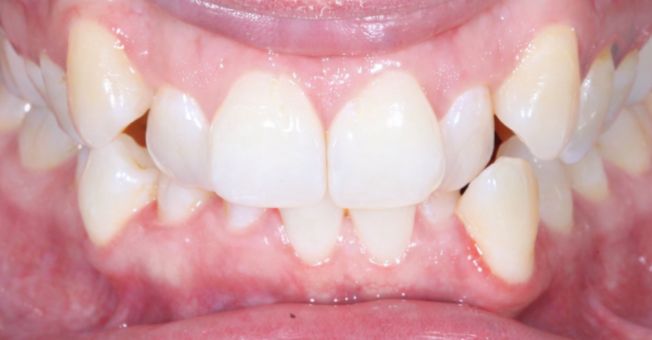
Before
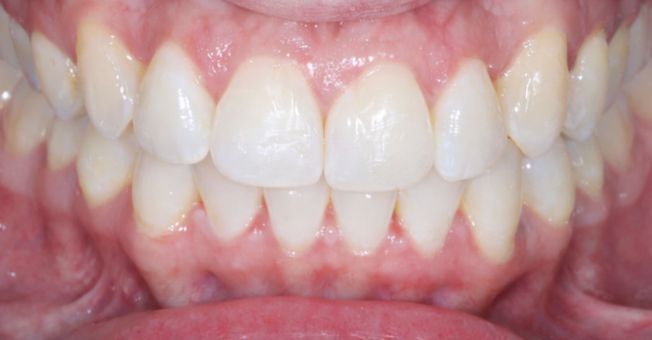
After
Yes — whitening carried out by a GDC-registered dental professional using regulated products is considered safe for the majority of suitable patients. The most common side effects are temporary tooth sensitivity and mild gum irritation, which typically resolve within a few days. We will assess your suitability and discuss all risks before treatment begins.
This varies considerably between individuals and cannot be guaranteed. The degree of lightening depends on your original shade, the type of staining, the method used, and how your teeth respond. We will give you an honest assessment at your consultation using your baseline shade as a reference point.
No. Bleaching agents do not alter the colour of dental restorations — including crowns, veneers, bridges, and tooth-coloured fillings. These will remain their original shade while your natural teeth lighten, which can sometimes create a visible colour difference.
Results are not permanent and vary between patients. For many people, results last from several months to around two years, depending on diet, lifestyle, and oral hygiene. Top-up gel when advised can help to extend your results.
Whitening is not usually painful, but tooth sensitivity is a common side effect, particularly during or immediately after treatment. This typically resolves within a few days. Let your dentist know if you already have sensitive teeth so we can adjust the protocol or recommend a sensitivity toothpaste.
No. As a precautionary measure, we will not carry out whitening treatment during pregnancy or whilst breastfeeding. If you are planning a pregnancy, it is worth completing any whitening treatment beforehand.
Teeth whitening in a salon, beauty clinic, or similar non-dental setting is illegal in the UK. Non-dental practitioners are not qualified to assess your oral health, manage complications, or use products of the regulated concentration required. Illegal whitening has been associated with chemical burns, nerve damage, and infection.
Yes. Active decay or gum disease must be treated before whitening can be considered. Whitening on unhealthy teeth can cause significant sensitivity and pain, and may mask underlying problems that need attention.
We’d love to hear from you! If you have any questions or would like to arrange a visit, please get in touch.
Let’s take the first step toward a healthier smile, together. Book a consultation with our friendly, professional team. We’re here to help you smile with confidence.
Back to Cosmetic Dentistry Book online


Follow us on social media for smile tips, behind-the-scenes moments, and patient transformations. Stay connected and be inspired every day.
Stay connected


