

Save Your Natural Tooth
- Home
- |
- Treatments
- |
- General Dentistry
- |
- Root Canal Treatment

We’d love to hear from you! If you have any questions or would like to arrange a visit, please get in touch.
Inside every tooth is a soft tissue called the dental pulp, which contains nerves and blood vessels. The pulp can become inflamed or infected because of:
During root canal treatment, the inflamed or infected tissue is removed. The canals inside the roots are then carefully cleaned, shaped, disinfected and sealed to reduce the risk of further infection.
The tooth is restored with a filling and may also require an onlay or crown to protect it from fracture and restore its appearance and function.
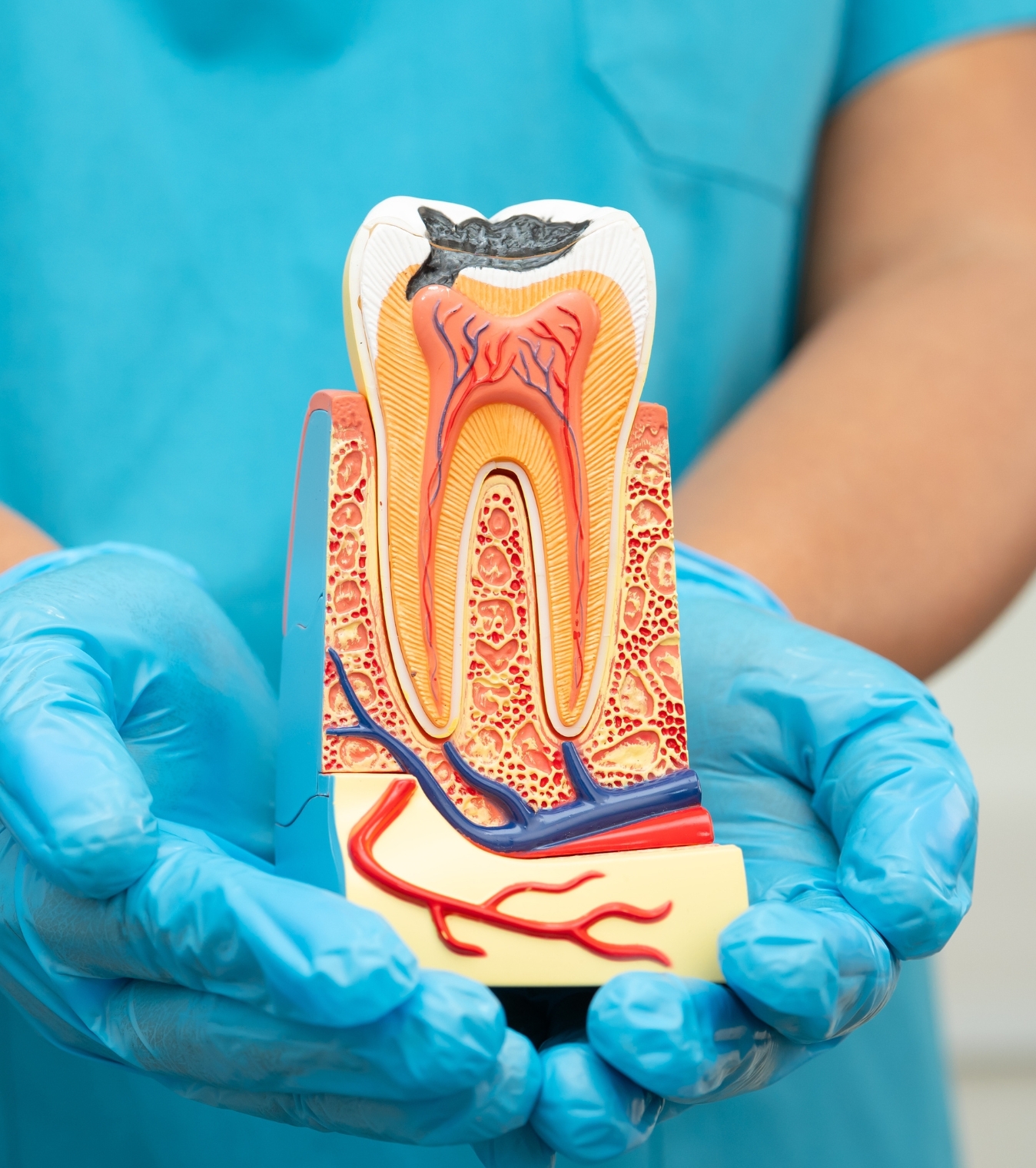

Root canal treatment can preserve a tooth that might otherwise need to be removed.
Patients choose it because:

Getting your dream smile is easier than you think.
At Castle Bromwich Dental Care, we provide root canal treatment for patients from Birmingham and Solihull, Water Orton, Shard End, Hodge Hill, Chelmsley Wood and Smith’s Wood.
We also welcome patients from surrounding areas, including Erdington, Castle Vale, Fordbridge, Sutton Coldfield and Minworth.
If you are experiencing a toothache, sensitivity, pain when biting or swelling around a tooth, contact our friendly team to arrange an assessment.
Book your appointment with our experienced and supportive dentists today.

Your smile is our priority. Trusted family dental care using the latest techniques.

Patient
I recently visited Castle Bromwich Dental Care, and the experience was exceptional. From the moment I walked in, the staff at the front desk made...
Patient
My husband and I have been going to Dr Z. Alam for more than 5 years now, and we couldn’t be happier with the care...
Patient
I am a new patient at Castle Bromwich Dental Care. I have been seen by Dr Ella Bettinson for 4 appointments, and at each appointment...
Patient
The receptionist was polite and welcoming. The Dentist and his assistant were friendly and made me feel at ease. The Dentist thoroughly explained to me...
Patient
Dr Zulfikar is an outstanding Dr. I’m a nervous patient, but he has always been kind and considerate of my needs. If I feel any...
Patient
I recently visited Castle Bromwich Dental Care, and the experience was exceptional. From the moment I walked in, the staff at the front desk made...
Patient
My husband and I have been going to Dr Z. Alam for more than 5 years now, and we couldn’t be happier with the care...
Patient
I am a new patient at Castle Bromwich Dental Care. I have been seen by Dr Ella Bettinson for 4 appointments, and at each appointment...
Patient
The receptionist was polite and welcoming. The Dentist and his assistant were friendly and made me feel at ease. The Dentist thoroughly explained to me...
Patient
Dr Zulfikar is an outstanding Dr. I’m a nervous patient, but he has always been kind and considerate of my needs. If I feel any...
See real patient transformations and discover what’s possible for your own smile.
View smile gallery
Before

After

Before

After

Before

After

Before

After

Before

After
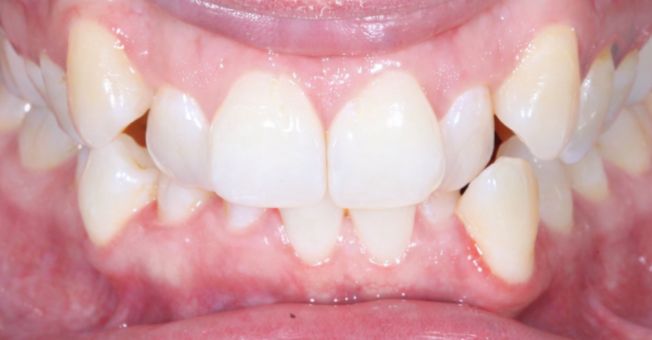
Before
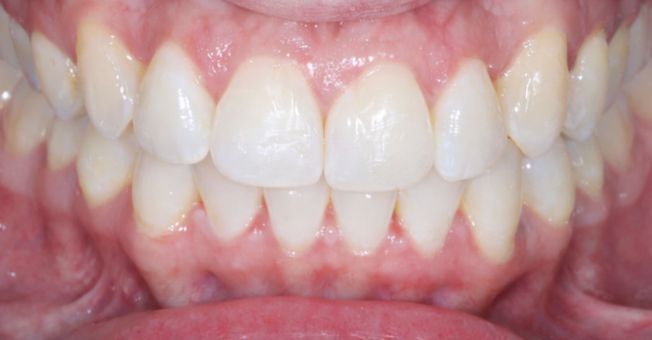
After
Root canal treatment—also called endodontic treatment—is used when the pulp inside a tooth becomes severely inflamed, damaged or infected.
The affected tissue is removed before the inside of the tooth is cleaned, shaped and filled. The tooth is then sealed and restored to help prevent bacteria from re-entering.
Possible signs include:
However, some infected teeth cause few or no noticeable symptoms. A dental examination and appropriate X-rays are required to determine whether root canal treatment is necessary.
The tooth is normally numbed with local anaesthetic, so you should remain comfortable during treatment. Modern root canal treatment is intended to relieve the pain caused by inflammation or infection rather than create it.
The tooth may feel tender for a few days afterwards, particularly when biting. This should gradually improve, but you should contact the practice if pain or swelling becomes severe or continues to worsen.
Your dentist will numb the tooth and usually place a rubber dam around it. This thin protective sheet isolates the tooth, keeps it clean and prevents treatment materials from entering your mouth.
A small opening is made in the tooth so that the infected or inflamed pulp can be removed. The root canals are measured, cleaned, disinfected and shaped before being filled and sealed.
X-rays may be taken before, during and after treatment to assess the roots and guide the procedure.
A rubber dam helps isolate the tooth from saliva and bacteria. It also protects your mouth and airway from the small instruments and cleaning solutions used during treatment.
Its use supports safe and effective root canal treatment.
Some root canal treatments can be completed in one appointment, while others require two or more visits. The number and length of appointments depend on the tooth, the complexity of its roots and the extent of any infection.
If treatment is completed over several visits, a temporary filling may be placed between appointments.
A root-filled tooth can be more vulnerable to fracture, particularly if it is a back tooth or has already lost a significant amount of structure.
Your dentist may recommend a crown, onlay or another protective restoration after assessing the remaining tooth. This helps protect the tooth and restore its function. Not every root-filled tooth requires the same type of restoration.
Root canal treatment is an established procedure that can allow many teeth to remain functional for years. However, no dental treatment can be guaranteed.
The outcome depends on factors including the tooth’s anatomy, the extent of infection, the amount of healthy tooth remaining and how well the tooth is restored and maintained.
In some cases, symptoms or infection can return. Further treatment, specialist referral, root-end surgery or extraction may then need to be considered.
Until the tooth has received its final restoration, avoid biting very hard foods on it. If a temporary filling becomes loose or falls out, contact the practice promptly.
Once restored, care for the tooth by:
Good oral hygiene and an appropriate final restoration are important for the tooth’s long-term survival.
Antibiotics do not remove infection from inside the root canal and are not routinely required for root canal treatment. They may sometimes be prescribed when there are signs that an infection has spread, such as facial swelling or systemic illness.
Your dentist will assess whether antibiotics are clinically necessary.
If a tooth cannot be restored or you decide against root canal treatment, extraction may be the main alternative.
The resulting gap may then be left, or replaced using a dental implant, bridge or denture where appropriate. Your dentist will explain the advantages, limitations and likely costs of each option.
An infected tooth will not normally heal by itself. Symptoms may become more severe, and infection can lead to an abscess, gum or facial swelling and loss of the tooth.
Seeking dental care promptly may improve the possibility of saving the tooth.
We’d love to hear from you! If you have any questions or would like to arrange a visit, please get in touch.
Let’s take the first step toward a healthier smile, together. Book a consultation with our friendly, professional team. We’re here to help you smile with confidence.
Back to General Dentistry Book online


Follow us on social media for smile tips, behind-the-scenes moments, and patient transformations. Stay connected and be inspired every day.
Stay connected


